
Luxury watches have always symbolized craftsmanship, heritage, and status. But with retail prices climbing faster than ever, many enthusiasts are asking a practical question in 2026:
“Is it possible to enjoy the look and feel of a luxury watch without paying five or six figures?”
That question has fueled the development of the replica watch market. This guide is intended to assist luxury watch enthusiasts in making informed, realistic, and safer decisions rather than those based on hype.
We’ll use a problem → solution structure, real-world examples, and clear steps you can follow.
1. Problem: The Replica Market Is Bigger—and More Confusing—Than Ever
In 2026, replica watches are no longer crude knockoffs. The market now includes:
- Entry-level replicas
- Mid-tier “AAA” models
- High-end Super Clones / 1:1 replicas
The challenge?
Most buyers can’t tell the difference before paying.
Have you ever seen two “Rolex Submariner replicas” priced at $120 and $650—both labeled “best quality”?
Solution: Understand replica tiers before choosing a seller.
2. Replica Watch Quality Levels Explained (2026 Standard)
Low-Tier Replicas (Avoid)
- Quartz movements
- Incorrect case proportions
- Loud ticking
- Mineral glass

Who they’re for: Casual fashion buyers only
Mid-Tier Replicas (AAA)
- Asian automatic movements
- Decent finishing
- Still obvious to trained eyes
Price range: $150–$300
High-End Super Clone Watches
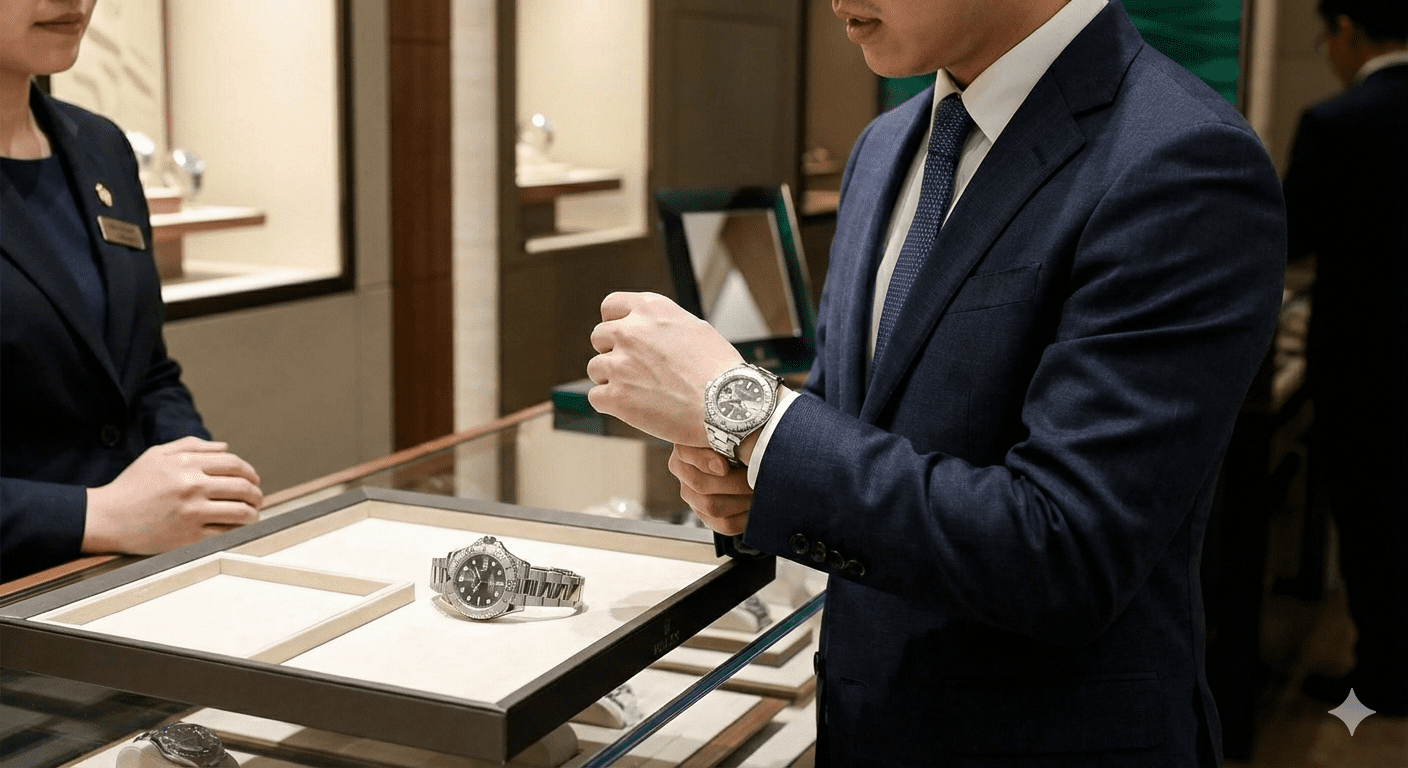
This is where the market has dramatically improved since 2025.
Key characteristics:
- Swiss or top-grade Asian clone movements (e.g. VS, Clean, ZF factories)
- Correct weight and dimensions
- Sapphire crystal with AR coating
- Clone calibers matching genuine layout
Price range: $450–$900
Ask yourself: Are you buying for visual enjoyment—or to fool experts? The answer determines the tier you need.
3. Problem: “1:1 Replica” Is a Marketing Term, Not a Guarantee
Many buyers assume “1:1 replica” means perfect copy. In reality:
- No replica is 100% identical
- Even the best super clones have tolerances
Case Example (2026 Rolex Daytona):
- Dial font: 95–98% accurate
- Case thickness: often +0.2mm
- Movement decoration: visually accurate, mechanically different
Solution: Evaluate replicas by functional realism, not slogans.
4. How to Evaluate a Replica Watch Like a Professional
Before buying, check these 5 critical areas:
Movement
Is it a true clone caliber or generic automatic?
Can it be serviced by a watchmaker?
Case & Proportions
Compare official dimensions (mm thickness matters)
Dial & Hands
Font sharpness
Lume color and application
Bracelet & Clasp
Solid end links?
Engraving depth?
Factory Reputation
Factories matter more than brand names.
Trusted factories change yearly—what was best in 2024 may not be in 2026.
5. Problem: Where to Buy Without Getting Scammed?
This is the biggest fear—and rightly so.
Common risks:
- Stock photos instead of real QC images
- Fake tracking numbers
- No after-sales support
Solution: Vet sellers like an SEO audit.
A Reliable Seller Checklist
- Real QC photos before shipping
- Clear factory disclosure
- Long-term domain history
- Responsive communication
Pro tip: If a seller refuses QC photos, walk away.
6. Legal & Ethical Reality Check (Important in 2026)
Replica watches exist in a legal gray area.
- Buying: usually low enforcement risk for individuals
- Reselling: higher legal exposure
- Importing in bulk: high risk
Best practice:
- Buy for personal enjoyment
- Never resell as genuine
Avoid using replicas to misrepresent wealth or authenticity
7. Maintenance: Treat It Like a Real Watch
A common misconception:
“It’s a replica, so maintenance doesn’t matter.”
Wrong.
Best practices:
- Service every 2–3 years
- Avoid water exposure unless pressure-tested
- Store properly
A well-maintained super clone can last 5–10 years.
8. Final Thoughts: Is a Replica Watch Right for You?
Ask yourself:
- Do I appreciate design and mechanics?
- Am I comfortable with the trade-offs?
- Am I buying knowledgeably, not emotionally?
If the answer is yes, the 2026 replica market offers unprecedented quality—when approached correctly.
Remember:
The smartest buyers aren’t chasing “perfect replicas”—they’re choosing transparent sellers, proven factories, and realistic expectations.
For example, some UK buyers rely on niche platforms like buyreplica.uk to compare factory differences before making a final decision, rather than purchasing impulsively from social media ads.